

Deborah Jones
Senior Client Success Manager | The Home of Mystery Shopping


As the days get longer and the weather starts to improve, leisure and entertainment venues across the UK notice a shift in enquiries and bookings, and before you know it, Easter, May half term and the school summer holidays are in full swing. This time of year is a significant money-maker, but it’s also when your customer experience is put under the most pressure.
Most operators know when their busiest weeks are. You can look back at last year’s numbers, see where the spikes were and forecast demand with confidence. Yet even with this foresight, standards still slip when volumes peak. This is where working with customer experience experts is invaluable. At Proinsight, we can help you prepare for peak periods, ensuring you’re providing a positive customer experience when it matters most.
Why Peak Periods Impact Customer Experience
School holidays fundamentally change how and when people use leisure venues. Easter might bring families looking for a full day out, May half term often sees spontaneous visits, and the summer holidays can create weeks of high demand. Dwell times increase, expectations rise, and guests are typically more emotionally invested in having a “great day out” when it is part of a rare break from work or school.
This plays out differently across the sector. Bowling alleys, cinemas and escape rooms see back‑to‑back bookings with very little turnaround time. Indoor play centres and trampoline parks are constantly at capacity. Gyms and health clubs might notice an uptick in family swim sessions and kids’ activities, alongside regular members trying to stick to their routines. Holiday parks and resorts often have several arrival and departure days each week, which increases pressure at check‑in and on‑park facilities.
Common ‘Cracks’ that Appear Under Pressure
When demand spikes, weaknesses very quickly become visible to your guests. Some of the most common issues we see include:
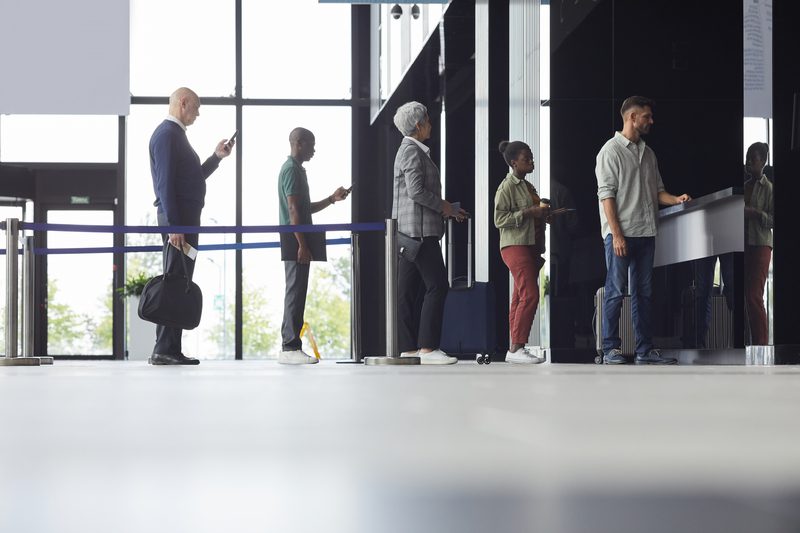
- Queues at check‑in or reception, especially where ID checks, waivers, or safety briefings are required.
- Refreshment bottlenecks, with longer waits, stock issues and cleanliness standards slipping as teams try to keep up.
- Confusion around capacity, time slots or activity availability, causing frustration when guests realise something is fully booked or running late.
- Staff stress, inconsistent service and reduced upselling as teams firefight, rather than having confident conversations with guests.
Hidden Cost of a Bad Peak‑Time Experience
The impact of these cracks can be long-lasting. A poor peak‑time visit can result in bad online ratings for weeks, particularly if several unhappy guests leave reviews. These reviews then influence new customers’ decisions about where to book.There is also a direct knock‑on effect on repeat visits and word‑of‑mouth recommendations. If a family has one big day out over the holidays and it disappoints, they’re unlikely to choose the same venue again next time. In a market where customers have more choice than ever, it’s essential to provide a seamless experience every time. A deliberate, data‑driven customer experience strategy gives you a far better chance of doing so.
Testing the Customer Journey Before the Holidays
The good news is, you don’t have to wait for a poor peak‑time performance to find out what’s going wrong. The most successful venues treat school holidays as events they can test and rehearse for, just like a major launch or refurbishment.
Identify your Busiest Days
Start by identifying the likely high‑pressure days in each holiday period – Easter weekend, the first Saturday of half term, early August or bank holidays. Once you know which days will truly test your operation, map the customer journey end-to-end for those dates.
This journey should include every key touchpoint: online research and discovery, the booking process, pre‑visit communication, arrival and check‑in, the in‑venue experience, leaving and post‑visit follow‑up or review prompts. Seeing the journey laid out this way highlights where delays, confusion, or frustration are most likely to occur when you are at capacity.
See the Experience Through the Guests’ Eyes
Mystery shopping is one of the most effective ways to understand what this journey is like from a guest’s perspective. A well‑designed mystery shopping programme will look at more than what happens on the day; it will cover the digital journey, any telephone enquiries, and even social media response times to provide comprehensive insight.
Since mystery shopping is conducted by experts using agreed-upon criteria, it provides objective feedback you can benchmark against your brand standards. It shows how your customer experience strategy is actually being delivered, across different days, times and locations. This level of detail is difficult to get from customer forms or operational reports alone.
Turning Insights Into a Pre‑Holiday Action Plan
Insights are most valuable when they’re turned into action. The leisure and entertainment venues we see making the biggest improvements take the findings from mystery shopping and turn them into simple, practical plans before the next busy period.
This could mean adjusting staffing patterns around known problem areas, for example, adding support at reception during the first hour of opening or re‑allocating team members to refreshments at peak mealtimes. It could involve improving signage and wayfinding to reduce the number of questions guests ask, or providing more training so staff feel confident explaining queues, safety rules, and next steps. Over time, these changes build a more resilient customer experience that holds up even when you are at your busiest.
Preparing Your Teams for Busy Periods
Even the best processes will struggle without a confident, well‑prepared team behind them. School holidays often bring in seasonal or part‑time staff, including some who are new to the sector. They provide energy and flexibility, but they also introduce risk if your training isn’t up to scratch. The brand promise guests see in your marketing can feel very different if they are greeted by someone who is unsure, inconsistent or overwhelmed.
Seasonal and part‑time staff need practical training that goes beyond basic task lists. Helping them understand your customer experience strategy and what “good” looks like in your venue is essential for consistent delivery. Handling complaints and refunds is another area where targeted training pays off. When teams feel trusted and equipped to resolve issues, guests feel heard, and problems are more likely to become positive stories.
To keep standards consistent all day, every day, simple changes such as pre‑shift meetings, real‑time feedback and visible standards checklists work well. Regular programmes, rather than one‑off checks, keep everyone focused for the whole holiday period, not just the first weekend.

Quick Wins to Protect Experience This Peak Season
Alongside mystery shopping programmes, there are usually some quick wins that can make a noticeable difference before the next busy period.
Operational Quick Wins
- Clarify pre‑visit communications, so guests know exactly what to expect.
- Confirm key details such as arrival times, parking arrangements, what’s included in a ticket and what guests need to bring.
- Improve on‑the‑day information using digital boards, clear signage and queue time estimates to manage expectations.
- Make small layout changes, such as separating entry and exit flows, to reduce congestion at known busy times.
Service Quick Wins
- Train staff to proactively explain waits and next steps, rather than waiting for customers to ask.
- Empower team members to resolve small issues on the spot – for example, offering a drink voucher, rearranging a time slot or suggesting an alternative activity.
- Capture feedback at the point of experience, using quick surveys or short conversations, to gain real‑time insight.
- Use live feedback alongside structured mystery shopping to get a well-rounded picture of what your peak‑time experience feels like.
Measuring Whether Changes are Working
Once you have made changes, it’s important to check whether they are actually improving the customer experience. For instance, re‑running targeted mystery shops during the holiday period helps you see whether new processes and training are working.
At the same time, tracking reviews, complaints, and repeat bookings will show whether guests notice the difference. Using these insights together allows you to refine your plan ahead of the next peak, such as October half term or Christmas, rather than starting from scratch each time.
How Proinsight Helps Leisure Venues Stay ‘Holiday‑Ready’
At Proinsight, we work with leisure, entertainment, and family attractions across the UK, many of which rely heavily on a successful school holiday period. This experience gives us a clear understanding of what works in the sector, where common pain points are and how different venue types can design a customer experience strategy that works under real‑world pressure.
Our mystery shopping and customer journey mapping programmes can be tailored around your specific goals, whether that’s reducing complaints, improving NPS, increasing conversions or boosting additional spend. As customer experience consultants, we help you make changes that your guests will actually feel.
Most importantly, we encourage venues to move away from one‑off checks when something has already gone wrong. Instead, ongoing programmes before, during and after peak periods create a continuous improvement loop. You get regular, independent feedback on your customer experience, and your team gets focused insight they can act on quickly.
Planning for the Next Holiday
If you’re already thinking ahead to the next school holiday, now is the ideal time to stress‑test your customer experience. A mystery shopping programme can reveal exactly where to invest time and training, so you go into the peak season with confidence.
To explore how mystery shops could work at your venue, our customer experience experts are here to help. Get in touch today to speak to a member of the Proinsight team, we will be happy to answer any questions you may have. Small, targeted changes made today can transform the experience your guests have in your busiest weeks and keep them coming back long after the holidays are over.


