

Deborah Jones
Senior Client Success Manager | The Home of Mystery Shopping


Customer service in hospitality is always important, but during the festive season it becomes make-or-break. Expectations rise as bookings get busier. Guests aren’t just buying food, drink or a night away – they are trusting you with moments that really matter to them.
The yearly average NPS (Net Promoter Score) for a non-festive visit is 65, yet this dips to 58 during the Christmas period. The average NPS for a ‘special occasion’ also drops to 50, indicating that guests are less willing to compromise, and there is growing pressure on teams.
The Hospitality Sector at Christmas
The festive period is one of the busiest and economically important times of year for the hospitality sector. At the same time, businesses are facing rising costs, staffing pressures, and challenges such as the recent National Insurance increase, all of which squeeze margins and resources. Often, hospitality customer experience is the factor that decides whether a guest comes back, leaves a glowing review, or chooses somewhere else next time.
For guests, Christmas visits tend to be high stakes with office parties, family reunions, festive catch‑ups and once-a-year outings. Expectations and emotions are high, and people are much less forgiving when things go wrong. That makes customer service the real decision-maker during December, not just the menu or the decor.
Why Festive Customer Service is Different
At Christmas, the gap between marketing promises and operational reality can become very obvious. Many brands promote magical experiences with delicious seasonal menus and memorable moments, but the reality on a sold-out night can look very different. When teams are overworked and systems stretched, even simple requests can be hard to handle.
It’s at these moments when customer experience in hospitality either shines or falls short. Of course, guests understand that venues are busy at Christmas, but what they remember is how they were treated when things inevitably get a little off track: whether anyone communicated delays proactively, whether staff stayed helpful and warm, and whether issues were owned and resolved rather than ignored.
Festive Moments Guests Never Forget
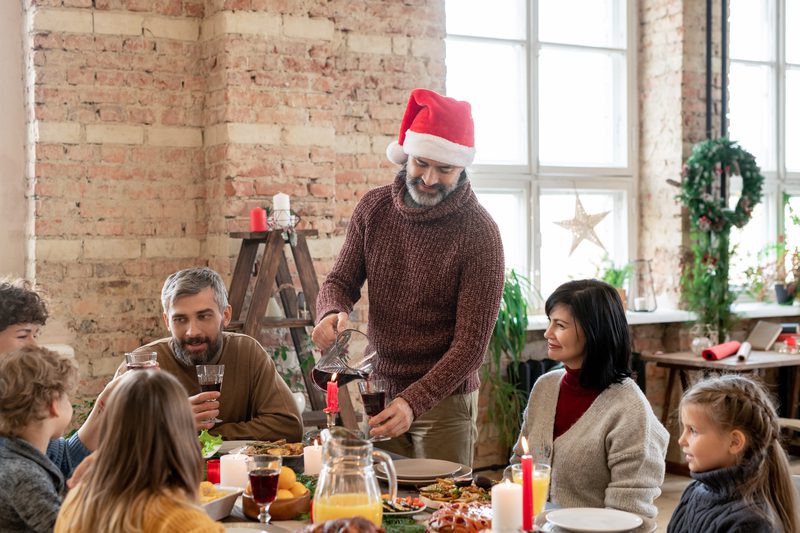
When it comes to guest experiences, some moments during the festive season become the stories people retell for years. Others become the stories they share as warnings.
The most memorable moments are built on attention to detail, clear communication and genuine warmth: a friendly confirmation call for a large booking, a proactive update when the kitchen is under pressure, or a manager who takes a moment to check in with a table and ensure everything is on track. These experiences often turn a good night into a great one.
The frustrating moments include long waits with no explanation, mixed-up orders, confusion over pre-orders or dietary needs, and a sense that no one is truly in control. Guests may still enjoy parts of the evening, but the bad parts stick in their minds.
Then there are the deal-breakers: dismissive responses to reasonable concerns or inflexible attitudes that make guests feel like an inconvenience. These seemingly small behaviours can undo the hard work of an entire team, impacting not only customer satisfaction but also lasting reputation in the hospitality industry.
Pressure Points in the Festive Customer Journey
To improve the hospitality customer experience in December, it’s helpful to look at the entire customer journey from the guest’s perspective. A few pressure points tend to recur at this time of year.
Enquiries and booking management set the tone long before guests arrive. Slow responses, unclear information or confusion about deposits and pre-orders can create frustration before anyone has even stepped foot through the door. Pre-event communication is another key step. People want to know timings, menus, and what to expect on the night. So, clear, proactive advice helps build confidence.
On the day of a visit, greetings and table management are critical. How queues are handled, how quickly people are acknowledged and how smoothly large parties are seated all have a significant impact. During the event, the timing of food and drinks, handling of special requests and the way problems are resolved under pressure are the main tests. Guests tend to judge the entire customer experience on how well these pressure points are managed, not just on the quality of the food.
The Cost of Getting Festive Service Wrong
In a competitive world of hospitality and today’s financial environment, the stakes are particularly high. A poor festive experience doesn’t just mean one lost night of revenue. It can mean:
- Clients choosing a different venue next year for their annual events.
- Negative reviews that remain online for months, influencing booking decisions.
- Local guests shifting their loyalty to competitors who delivered a smoother experience.
With costs rising and margins tight, hospitality businesses can’t afford to waste their busiest season. The good news is that improving customer experience in hospitality doesn’t always require major investment. Often, it comes down to more transparent processes, better communication and more confident, supported teams.

Turning Seasonal Chaos into Consistent Service
No festive season will ever be completely calm. However, the aim is to create a consistent, reliable service even when you’re under pressure. A few practical steps can help. Teams need clear briefings before peak periods so everyone understands priorities, escalation routes and what “good” looks like at this time of the year.
Roles and responsibilities should be clear, especially when handling large bookings and handling issues on the spot. Simple service rituals help to keep the human element front and centre, even when the pace is fast. Leadership visibility also makes a big difference. When managers are present, approachable and solution-focused on the floor, teams feel supported, and guests feel reassured.
Using Insights to See the Reality of Festive Service
Once the decorations come down in January, many businesses rely on internal feedback to judge how well December went. While this view is valuable, it can be incomplete. Teams often underestimate the frustrations from the guest’s perspective or miss patterns that emerge across multiple visits and nights.
For restaurants, bars, hotels and more, structured feedback and hospitality mystery shopping are extremely powerful. Independent visits from mystery shoppers can reveal how teams cope under pressure, whether brand standards hold up on the busiest nights, and where small operational changes could transform next year’s performance. Customer experience experts can help turn this valuable insight into practical recommendations rather than just data.

How Proinsight Supports Hospitality at Peak Times
At Proinsight, we work with hospitality businesses to design customer experience programmes that reflect the realities of service at different times of the year. Mystery shopping during the festive period can be built around your specific pressure points – from managing large corporate parties to handling back-to-back sittings or mixed dietary needs.
The feedback from real-life customer interactions is then used to support leadership and help frontline teams prepare for the next busy period. This approach allows businesses to move from simply hoping their service was good enough to knowing where they excelled, where they struggled and what needs to be changed going forward.
Make this Festive Season Count
The festive season is too important to leave hospitality customer experience to chance. Guests are making decisions now that will shape their loyalty and recommendations well into next year. Working with customer experience (CX) experts is the best way to turn seasonal chaos into consistently positive experiences.
For those who want an accurate picture of how their customer service performs when it matters most, arranging mystery shops is a decisive next step. Through tailored hospitality mystery shopping programmes, Proinsight helps you see what your guests see, understand where service is falling short and make targeted changes that protect revenue, reputation and long-term loyalty. Get in touch with us today to learn more about how we can help.


