

Chloe Kinch
Director of Client Success | Proinsight Mystery Shopping


Maintaining consistent standards is one of the hardest, yet most important, challenges in the hospitality industry. Guests don’t just compare you to your competitors; they compare you to the very best stay, meal or visit they’ve ever had.
Today, guests have endless choices, instant access to reviews and very little patience for a bad experience. Hospitality brands can no longer rely on the occasional “wow” moment if the rest of the experience feels hit-or-miss. Consistency is what builds trust, loyalty and repeat bookings.
Customer experience (CX) in hospitality is all about delivering the same incredible experience every time, whether someone visits on a Tuesday in January or a Saturday in August, whether they visit your flagship site or your smallest venue, and whether they book via your website, over the phone or on a third-party platform.
When that doesn’t happen, service gaps quickly appear, and guests notice.
What “Consistent Standards” Means in Hospitality
Consistent standards aren’t about every venue looking identical or staff following a script when interacting with guests. They are about having a clear understanding of what “good” looks like for your brand and ensuring it’s shared and delivered by every team, in every location, on every shift. Consistency covers everything from cleanliness to tone of voice, product knowledge, upselling and the way problems are handled.
Often, inconsistencies show up as a series of issues. For instance, one stay at a hotel could feel seamless, while the next feels unorganised. One restaurant chain can deliver exceptional attention to detail, yet another overlooks small details. One guest may praise the bar staff for their friendliness and proactivity, while another mentions being ignored.
These gaps affect far more than a single visit. They influence online reviews, social media comments, word-of-mouth recommendations, and ultimately, future revenue.
The Best Day vs The Worst Day
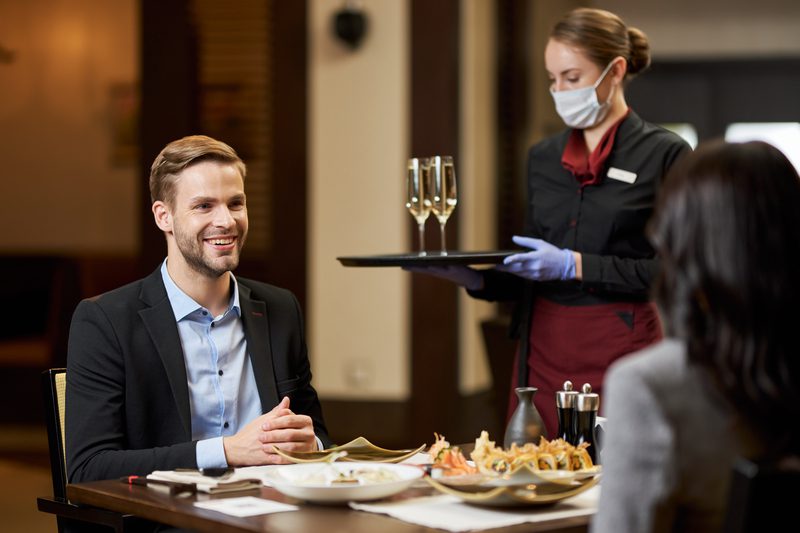
Every hospitality venue has a “best day”: the day when staffing levels were perfect, the team was energised, the service was efficient, and every guest left with a smile. The challenge is that guests don’t always experience that version of the brand. They experience whatever is happening at 8 pm on a busy Saturday when three team members have called in sick.
Your reputation is often shaped more by your “worst day” experiences than your best. A single stay with slow check-in or a meal with poor communication can undo the positive impact of multiple previous visits. Leadership teams that only see the business on scheduled visits or through internal reports can miss this reality. The question to ask is simple: Is the experience your guests receive on an average day still good enough to match your best day?
Where Service Gaps Usually Hide
Service gaps tend to hide in the details within the hospitality customer experience. Common issues include:
- Arrival and first impressions – Long queues at check-in, unclear signage, or a cold, transactional welcome.
- Transitions between departments – Reception to bar, restaurant or spa, any point where responsibility passes from one team to another.
- Peak times and high-pressure moments – Breakfast service, busy check-in/check-out windows, pre-show dining, or events.
- Multi-site operations – Differing interpretations of standards, local shortcuts and varying leadership styles.
Individually, these things can seem small, whether it’s a drink that takes a little too long to arrive or a member of staff who doesn’t quite have the answers. Collectively, they create a pattern that defines the guest’s experience. The risk is that your internal view is based on standard manuals and occasional audits, while the guest’s view is based on every interaction, every time.
How to Spot Service Gaps Before Your Guests Do
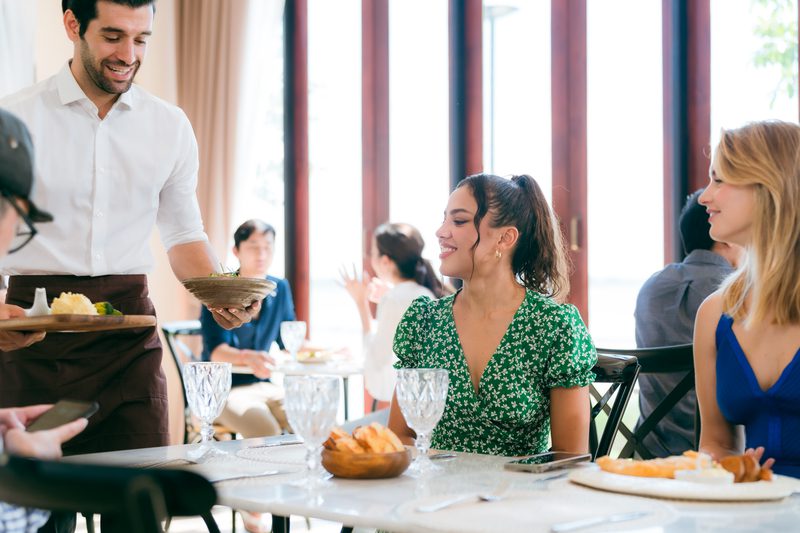
Many hospitality brands rely on internal audits, brand checklists, and ad hoc feedback from managers on the floor. While these are useful, they aren’t enough to spot service gaps before guests do. Internal assessments can be unintentionally biased, influenced by familiarity, assumptions and a natural desire to see the best in the team’s performance.
To truly understand the hospitality customer experience, it’s essential to see it through the eyes of a real guest. That means understanding what actually happens when someone walks through the door, orders a drink, checks in, asks a question or raises a concern. This is where hospitality mystery shopping and CX programmes come into their own.
There are three powerful ways to uncover gaps early and accurately:
Map the Guest Journey
Take a structured look at every step of the journey: discovery, booking, arrival, stay or visit, problem resolution and follow-up. For each step, define what a great experience looks like for your brand, then compare this to what teams are currently delivering. This exercise often reveals gaps that are not obvious from internal metrics alone.
Use Hospitality Mystery Shops
Mystery shoppers behave like real guests, interacting with staff in realistic scenarios crafted around your priorities. They assess not only whether standards are met, but how the experience feels, for instance, was the welcome warm, did the team take ownership of issues, did staff spot opportunities to add value? Since these visits are structured and benchmarked, they give a reliable, comparable view of how consistent your standards really are.
Listen to Real Guest Feedback
Reviews, surveys and social media comments are invaluable sources of insights when they’re analysed properly. Look for recurring themes rather than isolated comments: repeated mentions of slow service at breakfast, inconsistent housekeeping, or a disconnect between the promise on your website and the experience on site. Customer experience experts can help turn this raw feedback into clear priorities for improvement.
Multi-Site Consistency: Are All Locations the Same?
For chains and multi-site businesses, remaining consistent can be even more challenging. Each site has its own leadership, team dynamics and operational pressures. Over time, slight deviations from the set standards can become the “new normal” in one location, creating a very different experience from another site in the same brand.
To manage this, it’s essential to measure performance against the same criteria across all locations. Hospitality mystery shopping is particularly useful for franchises. By using the same scenarios, and scoring and reporting across sites, you can see which locations are excelling, which are falling behind, and where best practices can be shared. This type of objective benchmarking supports more informed decisions about training, investment and support.
Turning Insights into Action
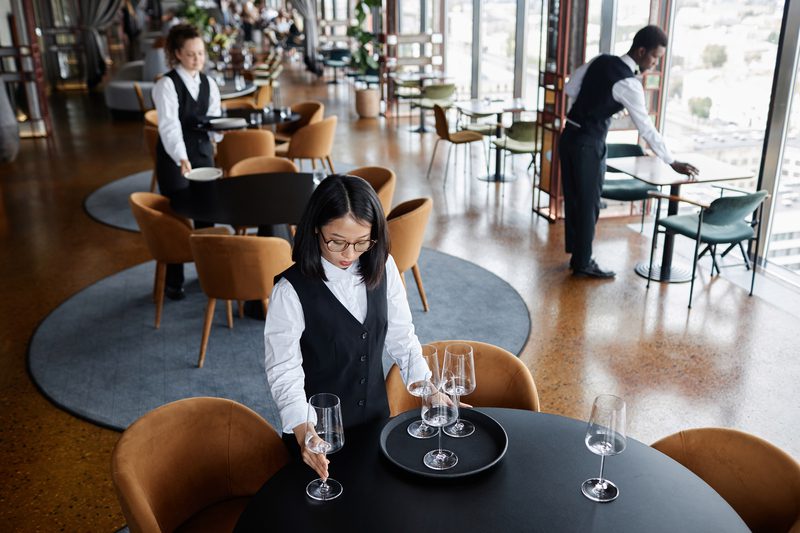
Finding service gaps is only half of the process. The real value lies in turning insights into sustained improvements. That means:
- Sharing feedback in a clear, constructive way that teams can act on.
- Using real guest scenarios and examples in training, so learning feels relevant.
- Recognising and rewarding consistent excellence, not just one-off moments.
- Repeating mystery shops regularly to track progress and keep standards high.
Customer experience experts can help not only by gathering insights but also by working with leadership teams to interpret them and design programmes that drive change. The aim is to make consistency feel achievable for teams, rather than a box-ticking exercise.
Improving Customer Experience in Hospitality
Ultimately, a hospitality brand is only as good as the experience guests receive on an ordinary day. Maintaining consistent standards means ensuring that even on your busiest, most challenging days, your guests still feel cared for, understood, and valued.
If you’re interested in seeing your operations exactly as your guests do, partnering with Proinsight is the best way to learn more about your customer experience. Through tailored hospitality mystery shopping and CX insight programmes, we can turn customer interactions into valuable insights, enabling you to identify and close service gaps before your guests even notice. Get in touch today to see how we can help boost customer satisfaction.
Chloe Kinch
Director of Client Success | Proinsight Mystery Shopping


