Robert Brocklesby
Senior Client Success Manager | The Home of Mystery Shopping


Buying flooring isn’t a spontaneous decision. When choosing products for kitchens, bathrooms, hallways, living spaces, commercial interiors, or full renovation projects, the purchase carries more weight than a quick transaction. Customers are thinking about style, durability, budget, installation, and maintenance for years to come.
So, the showroom experience is incredibly important. A customer might walk through the door with a clear idea of what they want, or they might need help narrowing down the options. Some will be confident, while others will be more reserved, especially when comparing different materials, finishes, colours and price points. In these moments, the way a member of staff guides them can directly affect how comfortable they feel moving forward.
At Proinsight, we have been working closely with The Stocklists and Tile & Stone Journal, providing mystery shopping services to retailers across the country. Our mystery shoppers have been posing as prospective buyers while using a set of objective metrics to evaluate the customer experience. This work has highlighted something that applies across specialist retail: the product matters, but the customer journey can be just as influential.
Customers Want Guidance, Not Just Product Choice
Flooring and tile showrooms offer a wide range of products, which is beneficial, but it can also make the buying process feel overwhelming for customers. A large selection of materials, colours, finishes, and technical details can be confusing without clear guidance.
A customer might know they like the look of a certain floor or tile, but they might not know whether it’s suitable for their room, lifestyle, or budget. They might need advice on wear and tear, cleaning, underfloor heating, or long-term care. So, good customer service is more than just a friendly welcome; it’s a valuable part of the sales process.
The best retail experiences tend to happen when staff take the time to properly understand a project before recommending products. Rather than simply pointing customers towards a display, a real conversation helps uncover what they’re actually looking for. This might include the room they are working on, the type of property, the level of footfall and their preferred style. When retailers ask better questions, they can give better advice, making customers feel heard and helping move the conversation from browsing to decision-making.

The First Impression Sets the Tone
In this type of retail, the first few minutes of a showroom visit can influence how the customer feels about the whole business. A warm greeting, a clear offer of help, and an approachable manner can make a customer feel welcome without pressuring them. This balance is important. Some customers want time to browse alone, while others want guidance straight away. A good team can read the situation and provide support without overwhelming the customer. Even a simple acknowledgement can be enough.
Mystery shopping is useful because it captures these early moments from the customer’s perspective. It can show whether visitors are greeted consistently, whether staff seem approachable, and whether customers feel comfortable asking questions. These details might seem small, but they can make a big difference. A customer who feels ignored might leave before the sales process has properly begun, whereas a customer who feels welcomed is more likely to stay, ask questions and engage with the team.
Product Knowledge Needs to Feel Relevant
Flooring, tile and stone retailers often pride themselves on their product knowledge. However, the value of this knowledge depends on how it’s shared. Customers don’t always need every technical detail. They need the information that’s most relevant to them. For instance, if someone is choosing flooring for a busy family hallway, the conversation should focus on durability and ease of cleaning.
The best product advice feels personal to the project. It helps the customer understand why one option is more suitable than another. It also gives them confidence that they’re making an informed decision, rather than rushing into something simply because it looks good in the showroom. This is especially important in higher-value purchases. Customers might visit several retailers before making a decision, so the quality of advice they receive can be what they remember most, rather than the best products.
Clear Next Steps Help Customers Move Forward
One of the most important parts of the customer journey is what happens after the initial conversation. A positive showroom experience can quickly lose momentum if the customer is not given a clear next step. Whether it’s arranging a home appointment, booking a design consultation, sending a quote, ordering samples, explaining delivery times or discussing installation. The aim is to make the process feel easier and more structured.
Unlike other retail purchases, when customers come in, choose what they want, pay and leave, there is more to it. Customers need to know what happens next, and if it’s unclear, they might not go ahead with the purchase. A follow-up process also helps keep the conversation moving and shows that you’re organised, professional and attentive. Mystery shopping can help retailers understand how consistently the next steps are being discussed. It can also reveal missed opportunities where a customer showed interest but wasn’t guided towards an action.
Objective Feedback Helps Retailers Improve
One of the biggest benefits of mystery shopping is that it turns a real customer experience into objective feedback. It’s not based on assumptions or internal opinions, and reflects what a customer actually experienced during their visit. For flooring, tile and stone retailers, this can provide valuable insight into areas such as:
- Initial welcome and approachability
- Product knowledge and advice
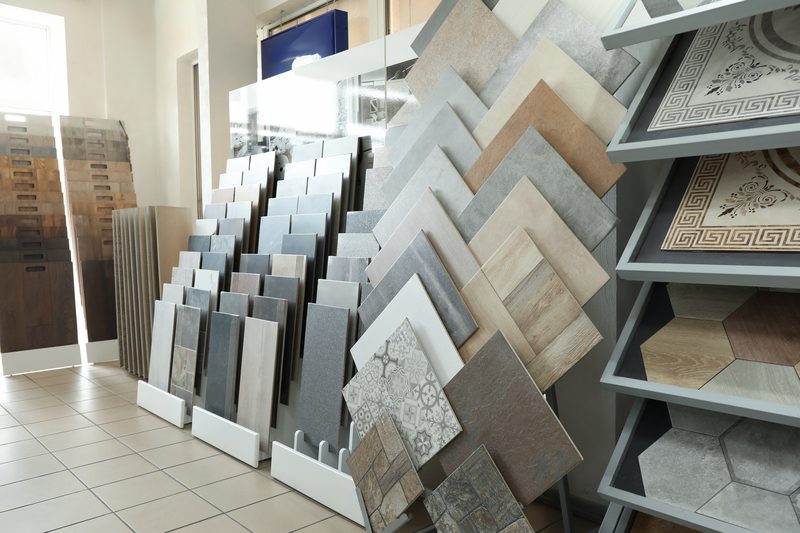
- Showroom presentation and use of samples
- Sales confidence and professionalism
- Clarity of next steps
- Follow-up and communication
This type of feedback can help retailers identify what they’re already doing well while also highlighting areas for improvement. It can support staff training, improve consistency across stores and help businesses create a better customer journey.
Through The Stocklists and Tile & Stone Journal mystery shopper features, these visits help bring real customer journeys into focus. Each mystery shop looks at key parts of the experience. As the findings are shared in respected trade publications, they also give other retailers the chance to reflect on their own customer journeys, compare approaches, and take inspiration from what is working well across the industry. This helps open up useful conversations about where small improvements could strengthen the overall retail experience.

Why Mystery Shopping Matters in Specialist Retail
In this specialist area of retail, the customer experience is incredibly important, from the first interaction to the last. A well-presented showroom might attract customers, but the sales conversation, advice and follow-up are often what influence the final purchasing decision. Retailers that understand this can create a stronger, more consistent experience that supports both customer satisfaction and sales performance.
At Proinsight, we help retailers see their business through their customers’ eyes. With mystery shopping programmes, customer feedback surveys and audits, we provide practical insights that help businesses understand what is working, where improvements can be made and how the customer journey can become stronger.
To learn more about how Proinsight can support your customer experience strategy, get in touch with our team today.