Josie Osbourne
Client Success Manager | The Home of Mystery Shopping


In the health and fitness industry, the customer journey is often treated as though every member follows the same path, but in reality, that is rarely the case. The same centre can feel very different depending on who is walking through the door. For instance, a parent visiting with children will notice things that a regular gym member, a swimmer, or someone coming in for their first tour might miss.
So, taking a one-size-fits-all approach to the member experience can leave important gaps. Tailored mystery shopping programmes help build a clearer picture not only of what happens during the customer lifecycle but also of how the journey feels for different types of users. This insight can be incredibly valuable for health clubs that want to understand where the experience is working well and where improvements can be made for different audiences.
Why Personalisation is More Important Than Ever
There is growing recognition that health and fitness centres need to meet the needs of a wide range of users. At Proinsight, we attended the PAF Forum Scotland 2026, and some of the talks made us think about how the customer journey should be tailored to different people, ensuring each part of the experience is more relevant to their needs.
Taking a more customer-centric approach offers several benefits. Yet it’s not always easy when your audience includes casual users, committed gym members, swimmers, class attendees, parents with children, and people stepping into a leisure facility for the first time. The same building can create several very different experiences depending on who is walking through it.
A parent arriving for a family swim might notice the availability of parking, ease of buggy access, and the attitude of the front-of-house team. A gym member arriving after work may judge the experience by how quickly they can check in, how busy the changing rooms are, and whether the gym atmosphere matches their expectations. A prospective member on a tour may be focused on whether the staff listen to their needs, explain membership options clearly, and make them feel comfortable enough to come back.
If all of these experiences are being measured in the same generic way, operators are only getting part of the picture.
The Real Experience Is About More Than Following a Process
This is one of the biggest things we encourage health and fitness centres to think about. You need to know whether key service steps are happening. Was the enquiry answered? Was the tour completed properly? Was the centre clean? Was the membership explained clearly?
While these checks are undeniably important, they don’t tell the full story.
What often makes the real difference is how the experience lands for the individual. Did the person feel welcome? Did they feel confident in the services available? Did they feel judged, overlooked, reassured, or motivated? Did the environment feel inclusive? Did the visit reduce uncertainty, or add to it? These are the details that often influence whether someone joins, returns, or decides the centre isn’t right for them.
This is why we talk so much about customer journey and customer experience in this sector. They are closely linked to member retention, conversion, and reputation. Mystery shopping can provide insights that standard surveys and internal audits often can’t, because it shows how your centre is experienced by real people from the outside looking in.
Different People Notice Different Friction Points
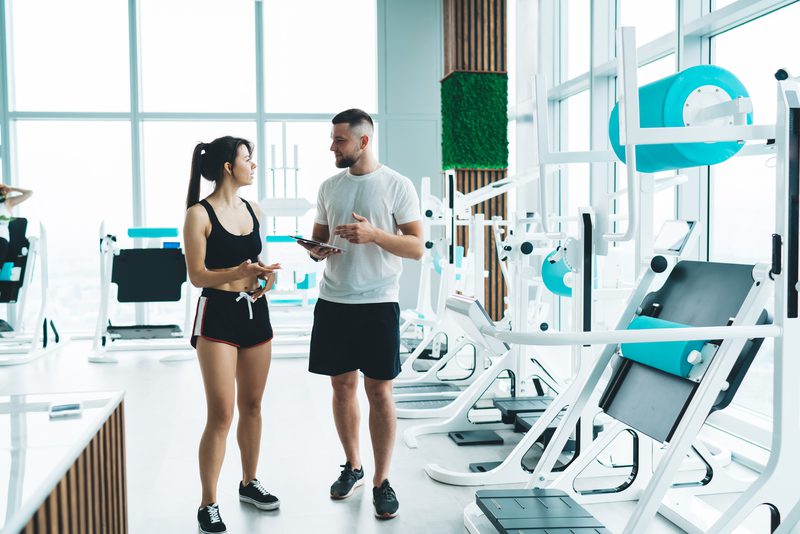
A health club can deliver a positive overall experience while still causing frustration for specific user groups. This is why profiling mystery shoppers can be so useful in the health and fitness industry. When the right people are assessing the right journeys, the feedback becomes much more relevant, for example:
- A gym-focused mystery shopper may pick up on things like equipment layout, staff visibility on the gym floor, confidence in answering training-related questions, and whether the environment feels motivating or neglected.
- A swimmer may notice something else entirely, such as the ease of navigating pool areas, cleanliness standards, clarity around lane use or session times, and how comfortable the overall visit feels from arrival to departure.
- A parent with children is likely to bring another layer of considerations, such as reception efficiency, family-friendliness, changing-room suitability, and whether staff help make the visit feel manageable rather than stressful.
These aren’t just small details. They shape overall perception, and perception shapes behaviour. One of the strengths of mystery shopping is that we can profile shoppers to better reflect the audiences our clients want to understand. So operators aren’t limited to a generic assessment of “the customer journey”. Instead, they can look at how different journeys work for different people, both within the same centre and across multiple sites.
Why “How It Felt” Is Also Important in Leisure Settings
Health and fitness isn’t like every other sector. People aren’t just buying access to a facility, they’re buying into a routine, a goal, a feeling or a lifestyle.
Someone joining a gym may feel motivated but also self-conscious. A parent bringing children to a leisure centre may already be juggling a lot before they reach reception. A swimmer may be looking for consistency and ease rather than a sales pitch. This is why emotional feedback matters more than ever before.
If a centre is technically doing everything right but still making certain users feel out of place, confused or unimportant, those issues won’t always show up in operational reporting alone. They’re much more likely to be highlighted when someone walks the same journey as that type of user and reports honestly on how the whole experience felt.
When used correctly, mystery shopping becomes a much more strategic tool. It’s about more than just checking standards; it’s about understanding what your environment, your team, and your processes communicate to the people you most want to engage.
A Better Approach Than Assuming What Users Want
One of the biggest risks when mapping out the customer journey is assuming that your own internal view matches what customers are actually experiencing.
In health and fitness environments, this assumption can be especially risky because audiences are so varied. What feels efficient to staff may feel rushed to a new visitor. What seems obvious to regular members may be confusing to casual users. What works well for a gym member may not work nearly as well for someone coming in for swimming or group exercise.
For this reason, getting external insights is so important.
When mystery shopping is carefully designed around the different types of audiences you most want to understand, it gives you a clearer, more balanced view of what’s working, what isn’t, and where the emotional experience differs across user groups. This is much more useful than treating every visitor as though they follow the same path and care about the same things.
Why This is Key for the Future of Health and Fitness
Instead of focusing solely on footfall or membership numbers, the most successful operators are now thinking about how people experience their centres at every stage of the customer journey, and how the experience varies depending on who they are.
Instead of taking a ‘one-size-fits-all’ approach, take the time to understand the different journeys users experience. You will then be better placed to improve customer satisfaction, strengthen retention, and make each visit feel right for the people walking through your doors.
At Proinsight, we provide tailored mystery shopping programmes that help businesses understand their journey from the perspective of the people they actually serve. With our mystery shops, you can gain a better understanding of the customer and what they experience, and how improvements can be made for each type of user.
To find out more about how health club mystery shopping can be adapted to your needs and customer base, don’t hesitate to get in touch with our team at Proinsight today.